
Flagship
Reading the Room
Six modules on talk-time traps, decision density, and after-action scoring for facilitation leads.
Open the syllabusWhitton studio · Session Quality Analytics
Workspace Flowcore trains people who run rooms — strategy offsites, coaching circles, product reviews — to score quality with evidence a sceptical sponsor can read. We work in English, with United Kingdom teams and the remote cohorts they host.

Programmes
Each listing is a real syllabus, not a teaser. The flagship course is fully specified; the others are shorter companion labs.
Six modules on talk-time traps, decision density, and after-action scoring for facilitation leads.
Open the syllabus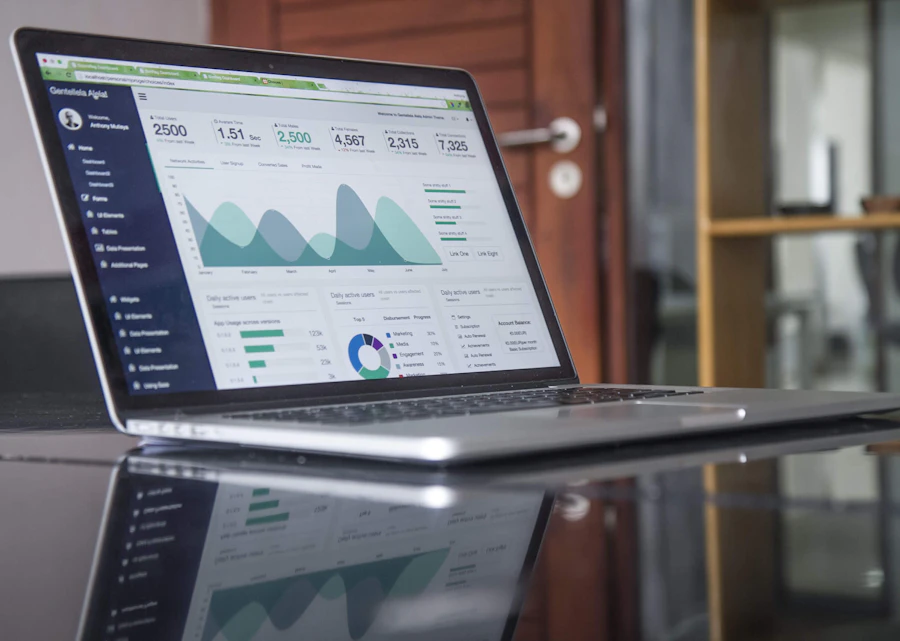
Build a dashboard that a programme owner will actually open on a Monday, without drowning in vanity plots.
See listing
Code silence, interruption, and unresolved questions from notes you already keep — no new surveillance stack.
See listingHow a debrief is built
We do not teach a twelve-step operating system. Quality work collapses when the method takes longer than the session it describes.
Name who was meant to decide, who was meant to advise, and who was only there to witness.
Pick three windows: opening contract, mid-session friction, closing commitments. Ignore the rest on first pass.
Use a short rubric for decision density, unresolved questions, and psychological safety signals.
A sponsor gets causes and next experiments, not a heatmap they cannot act on.
From recent cohorts
The talk-time chart from module 3 looked clever until we ran it on our quarterly offsite. Half the “airtime” was the CEO restating the brief. We dropped that chart from sponsor packs and kept the unresolved-question log instead. That log is now the only artefact our board actually marks.
Helena Voss · Head of Facilitation, North East product org
★★★★☆
Useful, a bit stubborn about not recording sessions by default. I wanted a shortcut. They would not give me one.
Platform review · cohort of May 2025
Why this studio exists
Session Quality Analytics here means bounded samples, coded notes, and a written claim. You leave able to say what “good” looked like in a specific room, not that “engagement was high.”
We treat recording as an exception with consent, not a default data pipe. Most exercises run on notes, timers, and a shared doc you already own.
These methods will not reconstruct a session you did not attend and did not document. If nobody wrote anything down, we cannot invent a quality score from memory theatre.
Examples lean on GB public-sector workshops, professional services reviews, and hybrid rooms with awkward acoustics — because that is the work we see from Whitton.
Journal

Equal airtime can still hide a room that never decided anything. A short case from a procurement workshop in Leeds.
ReadIf you already have notes from a workshop you regret, that is enough to start. Tell us what the room was for; we will tell you whether a programme or a one-off clinic is the better fit.
Write to the studio